5 Passing Drills to Transform Your Serve Receive in 2 Weeks
Apr 23, 2026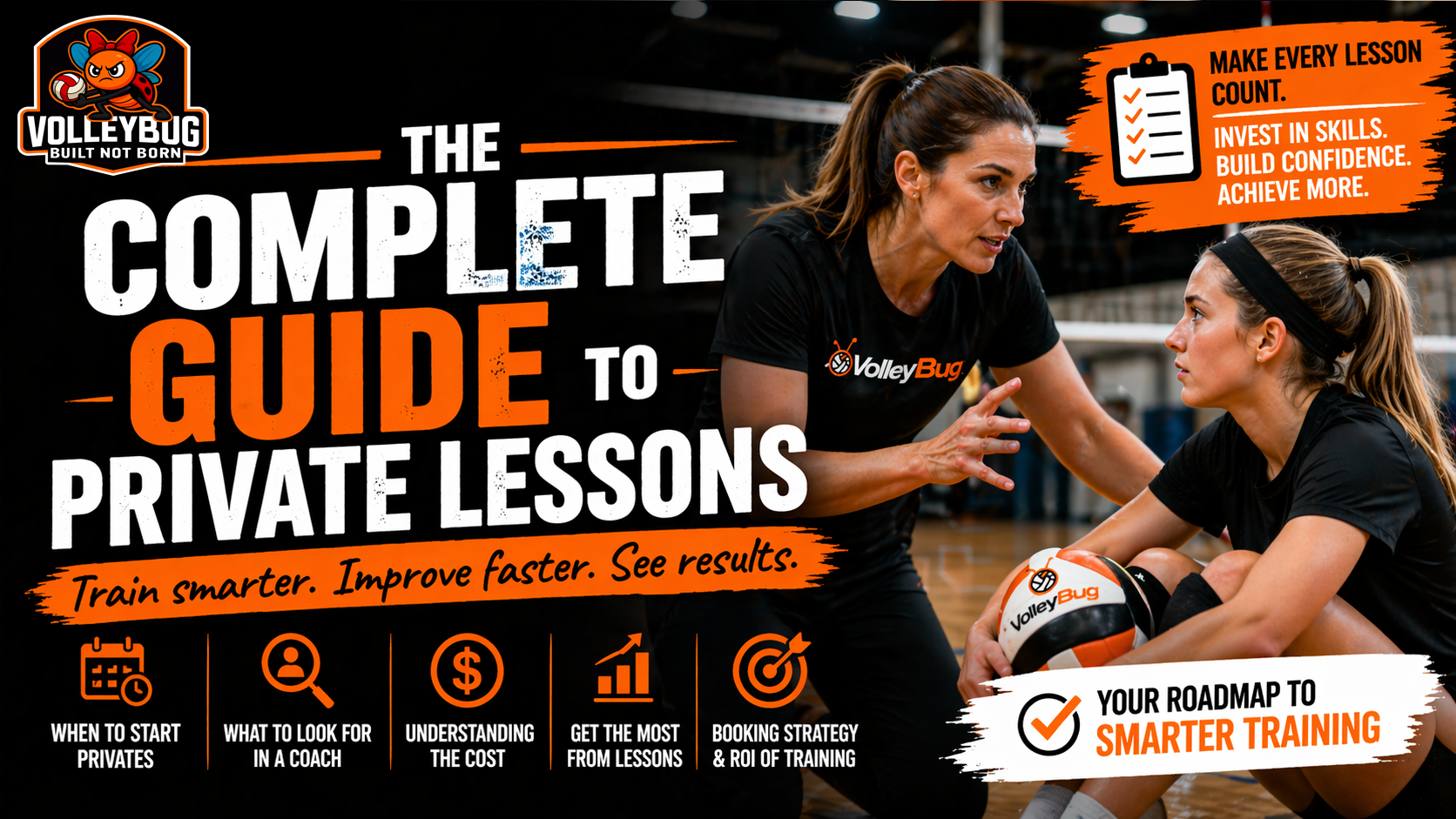
Why Serve Receive Can Win (or Lose) Matches
If you’ve been around volleyball long enough, you’ve probably heard me say it before: first contact wins.
Parents often focus on the big swing, the huge block, or the highlight-reel kill, and yes, those moments matter. But most matches are actually won or lost much earlier than that. They’re won in serve receive.
A great pass gives your setter options. It keeps the offense fast, unpredictable, and hard to defend. It allows middles to stay involved, hitters to stay in rhythm, and the entire team to play with confidence.
A bad pass? That changes everything.
Now your setter is chasing balls into the bleachers, your offense becomes obvious, and your opponent starts smelling blood in the water. Momentum shifts quickly in volleyball, and poor serve-receive is one of the quickest ways to hand it over.
That’s why strong serve receive isn’t just a “libero skill,” it’s a team skill. Every athlete needs to understand it, train it, and respect its importance.
Let’s break down how to improve it.
The Fundamentals Before the Drills
Before jumping into drills, make sure these core fundamentals are solid.
Ready Position
Feet should be shoulder-width apart, knees bent, and weight slightly forward. You should feel athletic and ready to move, not standing tall and flat-footed.
Platform
Wrists together, arms straight, shoulders relaxed. Your platform should be strong and quiet, not swinging like a golf club.
Footwork
Small, quick steps toward the ball matter more than big lunges. Great passers move early and stay balanced.
Contact Point
The ball should contact between your wrists and forearms, with your hips behind the ball. This helps control direction and keeps your pass consistent. Master these first. Fancy drills won’t fix bad fundamentals.
Drill 1 – Wall Passing Challenge
Purpose:
Improve ball control and platform stability.
How to Do It:
- Stand 6–8 feet from a wall
- Pass the ball against the wall, aiming for the same spot each time
- Pass 25 times on your right knee, then 25 times on your left knee
- Track how many passes stay within a target zone
Coaching Tip:
Keep your platform locked, no swinging arms.
This drill teaches discipline. It exposes platform mistakes fast.
Drill 2 – Partner Passing with Movement
Purpose:
Train footwork and passing accuracy while moving.
How to Do It:
- Stand 15–20 feet from a partner
- Your partner tosses or lightly serves balls to your left, right, and center
- Move to the ball, get behind it, and pass back to their chest
- Complete 20 reps in each direction
Coaching Tip:
Take small adjustment steps instead of crossing your feet.
The goal isn’t just touching the ball, it’s controlling it.
Drill 3 – Target Passing with Cones or Hoops
Purpose:
Sharpen passing accuracy.
How to Do It:
- Place cones or hoops in 3 zones (left, middle, right) on your partner’s side
- Your partner calls a target before tossing
- Pass the ball into that target zone
- Keep score and try to beat your record
This helps athletes learn intentional passing, not just survival passing.
Drill 4 – Pepper with Direction Changes
Purpose:
This drill improves ball control, body positioning, communication, and the ability to adjust quickly when the play changes unexpectedly. It helps athletes stay balanced rather than panic when the ball does not come exactly where they expected it to.
In real matches, passes are rarely perfect. Hitters tip, blockers deflect, and balls change direction fast. This drill teaches players to react calmly while still making quality contact.
How to Do It:
- Play pepper with a partner
- Every 5–7 contacts, your partner yells “change!” and adjusts the hit direction
- Adjust quickly and keep the rally alive
-
Read Early: Watch your partner’s shoulders, platform, and hand position. Often, the body tells you where the ball is going before contact happens. Cue: “Read before reacting.”
-
Quiet Platform: Do not swing your arms wildly. Angle the platform and let your legs do the work. Cue: “Platform first, legs second.”
-
Communicate: Even in pepper, players should talk.
Use: Mine, Short, Deep, and Help. Communication creates confidence, and silent players are late players.
Pepper is not just warm-up time; it tells me everything I need to know about a player. It shows discipline, ball control, and volleyball IQ. The way an athlete handles simple pepper reps often reflects how they will perform under pressure in a match. Lazy pepper creates lazy gameplay, while intentional pepper builds confident, composed players who can handle chaos when the game gets messy. The athletes who take these simple drills seriously are usually the same ones still playing late in tournaments.
Drill 5 – Live Serve Receive Game
Purpose:
Simulate real match pressure.
How to Do It:
- Have a server or coach serve balls to your zone
- Deliver a pass to your setter’s target 8 out of 10 times
- Rotate servers and zones for variety
This is where practice becomes real.
Pressure changes everything. Athletes need reps that feel like competition.
Tracking Progress in Just 2 Weeks
Parents, this part matters. Don’t just practice. Measure.
Record scores from Day 1 and compare them to Day 14. Even a 10% improvement is a huge win because confidence grows when athletes can see progress.
Improvement creates belief. Belief creates performance.
Common Mistakes to Watch For
Even talented players struggle when these habits show up:
- Swinging arms instead of using the platform
- Not moving their feet early enough
- A loose or unstable platform
Fixing small details creates big results.
That’s where real development happens.
Final Thoughts from Coach Bobbye
Here’s the truth:
Most players want to work on hitting because it feels exciting. But the athletes who truly set themselves apart? They master serve receive. They become dependable. They become trusted. They become the players coaches can’t take off the court.
Parents, if your athlete wants more playing time, more confidence, and more opportunities, start here.
Passing is not boring.
Passing is powerful.
And if your athlete needs focused help building those skills, that’s exactly why private lessons exist, so we can slow the game down, fix the details, and build confidence the right way.
Get Our Free Guide to Private Lessons
Want to understand how private lessons can help your athlete improve faster?
Download our guide to private lessons! (Click Here)
Stay connected with everything happening at VolleyBug.
Join our SMS Text and Email Alerts to get first access to private lesson openings, clinic registrations, camps, recruiting tips, training opportunities, and important volleyball updates before spots fill up.
Parents stay informed, players stay prepared, and coaches stay connected with valuable training insights, event announcements, and exclusive resources designed to help athletes grow on and off the court.
Click below to join the VolleyBug community and stay one step ahead.